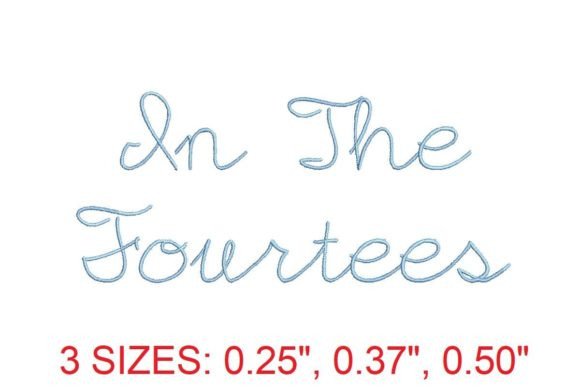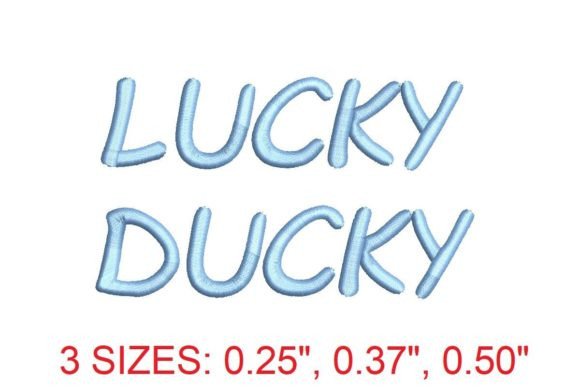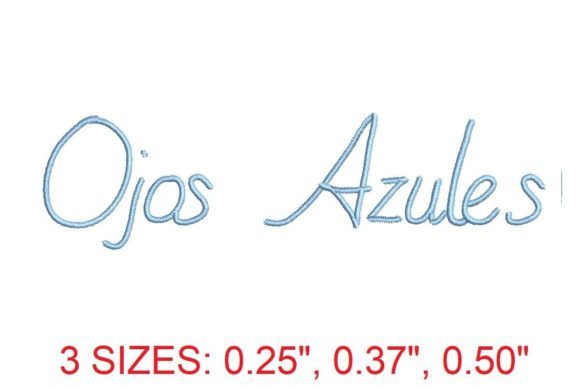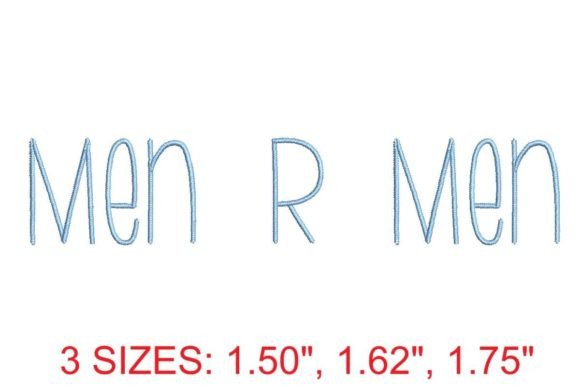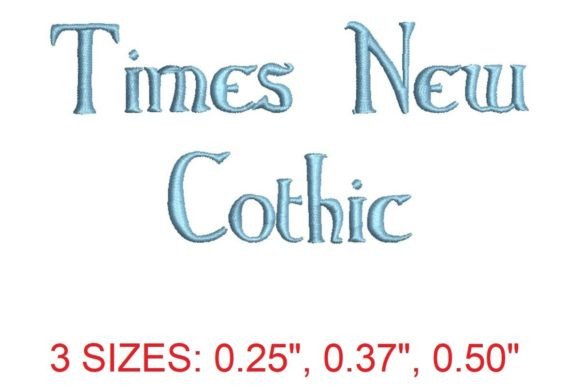
Times New Gothic Embroidery Font
A Designer’s First Stitch with Times New Gothic
As an embroidery designer who’s stitched over 3,000 personalized gifts—from newborn onesies to heirloom wedding pillow covers—I opened the Times New Gothic Embroidery Font file with quiet anticipation. Not hype, not trend-chasing—just honest curiosity. What I found was immediate: clean lines, balanced spacing, and a subtle authority that feels both timeless and quietly confident. It’s not fussy or overly ornate, nor is it cold or sterile. This font lands squarely in the “elegant classic” lane—with just enough warmth to feel handmade, not mass-produced. Customers drawn to monogrammed baby blankets, linen napkins for bridal showers, or minimalist kitchen towels will recognize its quiet sophistication right away.
Where This Font Truly Shines (and Who’ll Love It)
The Times New Gothic Embroidery Font excels where meaning meets minimalism. Think: a soft ivory baby blanket with baby’s full name stitched in matte ecru thread—no frills, just reverence. Or a heavyweight cotton tote bag for a new teacher, embroidered with their name and “Back To School 2024” in crisp charcoal thread. It’s equally at home on a linen pillow cover for a couple’s first apartment or a framed nursery print with a sweet quote. Wedding gift designers will appreciate how effortlessly it pairs with delicate floral motifs—never competing, always complementing. Etsy sellers consistently tell me buyers respond strongly to fonts that feel “intentional,” and this one delivers: it signals care, clarity, and craftsmanship before a single stitch is seen.
Real-Use Scenarios That Just Work
- Baby embroidery: Perfect for onesies, burp cloths, and keepsake blankets—especially when paired with gentle thread colors like oatmeal, sage, or powder blue.
- Wedding gift: Ideal for guestbook towels, ring bearer pillow lettering, or custom napkin sets. Its legibility at medium sizes makes it ideal for functional heirlooms.
- Nursery decor: Works beautifully on wooden growth charts, canvas wall hangings, and fabric bins—clean enough for modern spaces, warm enough for cozy rooms.
- Small shop product: Elevates simple items like aprons, tea towels, and tote bags into premium handmade products—without requiring complex digitizing.
- Digital embroidery file users: Seamlessly integrates into design software for quick personalization previews—great for social media mockups or printable mockups sent to clients pre-order.
Where to Use Times New Gothic Thoughtfully
This isn’t a “set and forget” font—and that’s a good thing. Its clean structure demands attention to context. Avoid using it for lettering smaller than 0.5 inches tall; fine serifs can blur or vanish on dense stitching. On thick terry cloth towels or textured jacquard fabrics, consider slightly increasing stitch density—or opt for bold weight variants if available. Stretchy knits (like newborn bodysuits) require extra stabilizer support beneath the hoop size you plan to use—test first. Curved surfaces (mugs, curved pillow edges) may distort letter spacing; always do a physical test run. And on dark fabric? Contrast is non-negotiable: light thread must be matte—not shiny—to preserve the font’s refined tone. Finally, if your finished product will face frequent washing (think baby blankets or kitchen linens), confirm the stitch density supports durability—tighter isn’t always better, but too loose risks fraying over time.
Why It Builds Trust—and Turns Browsers Into Buyers
In my experience, customers don’t just buy embroidery—they buy emotional resonance. The Times New Gothic Embroidery Font strengthens that connection by signaling intentionality. Its professional rhythm tells buyers: *This wasn’t rushed. This was chosen.* That perception lifts perceived value instantly—especially for handmade product listings on Etsy or local craft fairs. When used well, it enhances product photography: clean lettering reads clearly even in lifestyle shots, helping scroll-stopping visuals convert. More importantly, it builds trust. A consistent, elegant font across your brand—on tags, packaging, and embroidery—tells customers you honor the significance of what they’re gifting. Whether it’s a graduation towel or a baby’s first blanket, that quiet confidence makes people pause, click, and say, “Yes—that’s the one.”
Practical Notes Before You Stitch
Before adding Times New Gothic Embroidery Font to your next custom order or digital embroidery file collection, take these steps:
- Run a test on scrap fabric matching your target product’s weight and texture—especially for embroidered towel or blanket embroidery.
- Compare thread colors side-by-side on both light and dark fabric swatches; avoid high-sheen threads that distract from the font’s calm elegance.
- Confirm your hoop size accommodates the longest name or phrase you’ll commonly stitch—some layouts need wider hoops for optimal tension.
- Review stitch density in your embroidery software—adjust if needed for fabric type (e.g., reduce density slightly for lightweight cotton, increase for heavy canvas).
- Always pair with appropriate stabilizer: cutaway for stretchy items, tear-away for stable wovens, and fusible + tear-away for textured surfaces.
- Check small details post-stitch—serifs and crossbars should be fully formed, not feathered or skipped.
- Verify commercial licensing terms before selling finished products—this is essential for Etsy sellers and small shop owners offering custom embroidery.
The Times New Gothic Embroidery Font won’t shout—but it will linger. In a market flooded with playful scripts and trendy sans-serifs, its quiet authority is exactly what thoughtful gift makers, wedding designers, and baby product creators have been waiting for. Stitch it with care, and it becomes more than text—it becomes a signature.