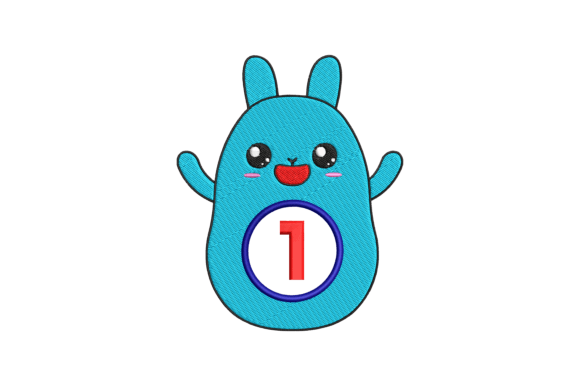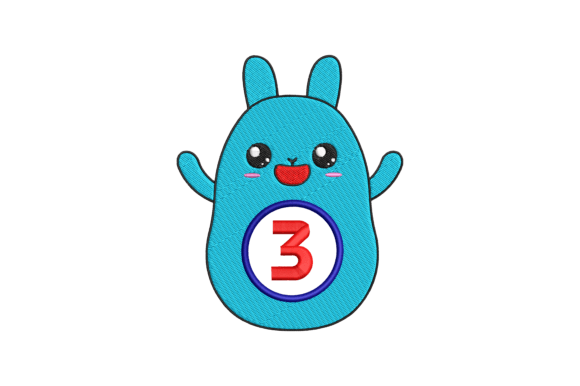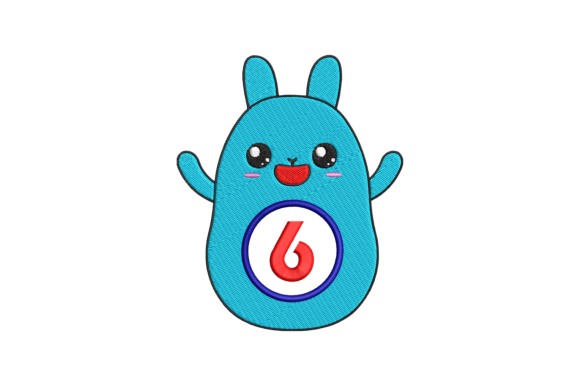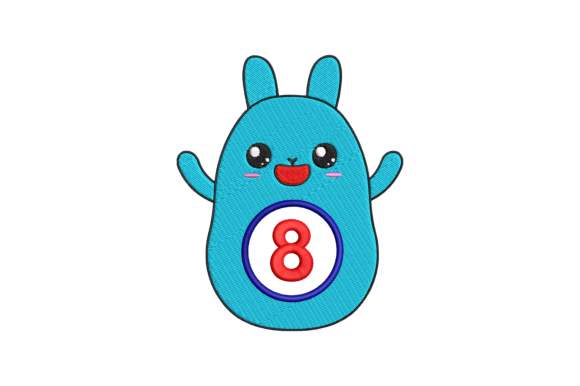
Cute Rabbit Number 9
A Friendly, Versatile Embroidery Design for Small Business Branding
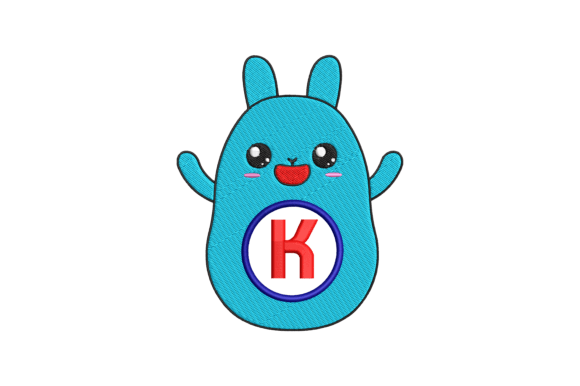
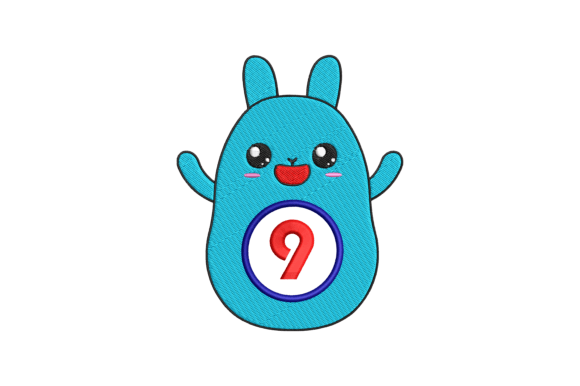
As an embroidery designer who’s developed and tested hundreds of machine embroidery designs for small businesses—from neighborhood bakeries to indie florists and pet-focused Etsy brands—I approached Cute Rabbit Number 9 with both curiosity and practical scrutiny. At first glance, the title signals approachability and charm—ideal for businesses that want warmth without sacrificing professionalism. The “cute” descriptor suggests soft curves, gentle outlines, and a hand-drawn sensibility; “Rabbit” adds whimsy and nature-inspired appeal; and “Number 9” introduces structure, memorability, and subtle numerology (think: ninth anniversary, Class of ’09, or Back To School themes). It’s not just decorative—it’s a potential brand anchor.
How Cute Rabbit Number 9 Performs Across Real Merchandise Applications
This design shines where personality meets purpose. On embroidered patches, Cute Rabbit Number 9 reads clearly at 2.5–3 inches wide—ideal for iron-on or sew-on application on tote bags, denim jackets, or staff aprons. Its balanced proportions allow it to hold visual weight without overwhelming smaller items like cap fronts or sleeve accents. For cafés or boutiques launching limited-edition merchandise, it works beautifully as a chest logo on work shirts or as a subtle corner detail on reusable shopping totes.
In custom apparel for creative studios or handmade brands, Cute Rabbit Number 9 reinforces a friendly, artisanal voice—especially when paired with neutral thread colors like oatmeal, charcoal, or sage green on natural canvas or organic cotton. As a branded product add-on—say, stitched onto packaging tags, gift pouches, or ceramic jar labels—it elevates perceived value while staying true to a handmade product aesthetic. For Back To School campaigns, it subtly nods to academic milestones or classroom charm without leaning into cliché school motifs.
Where to Use Cute Rabbit Number 9 Thoughtfully
Like any well-intentioned design, Cute Rabbit Number 9 has boundaries worth honoring. Avoid scaling it below 1.75 inches—fine details in the rabbit’s ears or number serifs may collapse under stitch density, especially on textured fabric like twill or corduroy. Cap embroidery demands extra caution: test placement on curved surfaces early, and consider simplifying inner line work if your digitizer notes tight interior angles. Dark uniforms (navy, black, charcoal) require high-contrast thread colors—avoid light pastels unless you’re using underlay stitches and premium stabilizer.
Also be mindful of frequent-wash items. If this design is destined for aprons or staff uniforms, confirm that the digitization includes proper underlay and satin-stitch reinforcement—especially around the number’s enclosed spaces (like the loop of the 9). Overly dense stitching can stiffen fabric and reduce durability over time. And while the description calls it “an art form that can elevate any fabric,” remember: elegance depends on execution—not just intent.
Strengthening Brand Identity—One Stitch at a Time
Cute Rabbit Number 9 doesn’t just look good—it builds trust. When customers see consistent, well-executed embroidery across your tote bags, caps, and aprons, they subconsciously associate your business with care, attention, and authenticity. That perception directly impacts buyer engagement and repeat purchases. For Etsy sellers and craft-based brands, this design supports a cohesive visual language—pair it with simple typography or minimalist packaging to reinforce your handmade product story. It also invites storytelling: a local pet brand might use it for “Ninth Year Anniversary” merch; a florist could tie it to “Bloom Nine”—a seasonal collection. Consistency across design assets strengthens recognition faster than standalone logos alone.
Practical Designer Notes Before You Stitch
Before committing to production, run these checks:
- Test in black and white first—to assess contrast, balance, and silhouette clarity without color distraction.
- Verify patch-size viability—open the digital embroidery file at 2 inches wide and zoom in: do outlines remain clean? Do internal shapes read distinctly?
- Review thread color contrast against your target fabric—especially for commercial embroidery runs where color matching matters.
- Inspect spacing and kerning between rabbit and number—tight spacing may cause thread nesting; generous spacing preserves legibility.
- Confirm hoop size compatibility—some versions may require larger hoops; cross-check before digitizing or outsourcing.
- Test on real fabric, not just mockups—fabric texture dramatically affects how satin stitches lay and how fine lines register.
- Use appropriate stabilizer: cutaway for knits, tear-away for stable wovens, and mesh for lightweight totes or caps.
- Create a printable mockup for client approval—this avoids costly re-runs and aligns expectations early.
- Compare beside existing design assets—does Cute Rabbit Number 9 complement your current logo, palette, and tone—or compete with it?
- Confirm commercial licensing before bulk production. Since the description states it’s “an art form that can elevate any fabric,” assume it’s intended for commercial embroidery—but always verify terms with your supplier or marketplace.
Final Thought: Charm With Intention
Cute Rabbit Number 9 isn’t just another cute embroidery file—it’s a strategic branding tool when used intentionally. It bridges playfulness and polish, making it perfect for small business merch that must stand out on shelves, in markets, and across social feeds. Whether you’re an embroidery shop sourcing fresh design assets, a boutique owner curating signature staff wear, or a craft business building memorable customer gifts, this design earns its place—not because it’s adorable, but because it’s adaptable, scalable, and rooted in thoughtful execution. Just remember: every stitch tells your brand’s story. Make sure Cute Rabbit Number 9 says exactly what you mean to say.