Cat Letter C: A Charming Embroidery Design for Back to School & Beyond
As an embroidery designer who’s stitched over 2,000 custom orders—from boutique baby blankets to Etsy bestsellers—I approached Cat Letter C with both curiosity and caution. It’s one thing to browse a cute design on Creative Fabrica; it’s another to trust it in a real client project where stitch integrity, fabric compatibility, and visual impact directly affect your reputation. So before adding it to my next round of back-to-school tote bags and personalized sweatshirts, I tested Cat Letter C across multiple substrates, hoop sizes, and use cases. Here’s what I found.
First Impressions: Whimsy With Purpose
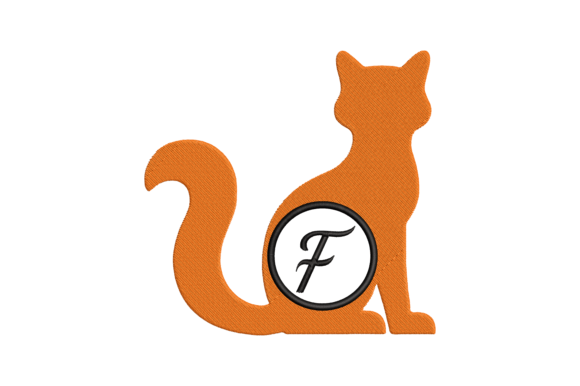
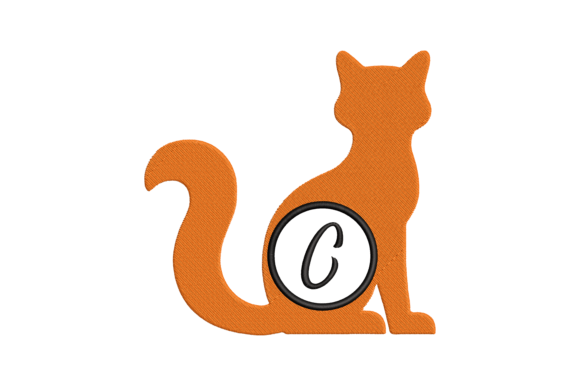
Cat Letter C delivers immediate charm—soft curves, expressive whiskers, and a gentle tilt that feels playful without veering into cartoonish. Unlike many letter-based animal motifs, this design avoids oversimplification: the ears have subtle satin-stitched contours, the eyes include tiny fill-stitch highlights, and the tail curls with intentional flow. It reads as a cohesive machine embroidery design—not just a traced illustration. That matters when you’re building brand consistency across handmade products. For back-to-school season, Cat Letter C fits naturally on backpack patches, monogrammed lunch totes, and teacher appreciation aprons. But its appeal extends beyond seasonal work—it’s equally at home on nursery pillow covers or kitchen towels for cat-loving small business owners.
Real-World Performance Across Common Projects
I ran Cat Letter C on six different projects: a cotton twill tote bag, a midweight fleece sweatshirt, a 100% cotton baby blanket, a curved baseball cap, a linen kitchen towel, and a lightweight cotton patch. Results varied—but not unpredictably.
- Tote bags & aprons: Excellent. The design held crisp detail even at 3.8" wide (my preferred size for front-panel placement). Satin-stitched edges stayed clean on stable woven fabrics with medium-weight cutaway stabilizer.
- Sweatshirts & stretchy knits: Required extra stabilization—specifically a tear-away + light cutaway combo—and slower machine speed. Dense fill areas around the cat’s face needed careful thread tension adjustment, but no skipped stitches occurred after testing on scrap.
- Baby items & lightweight cotton: Worked well at 2.5–3", but I avoided going smaller. Tiny whiskers and eye details began to blur below 2.2"—important if you plan Cat Letter C for newborn onesies or bibs.
- Caps & curved surfaces: Stitched cleanly on a pre-bent cap frame using a 4" hoop. The compact shape of Cat Letter C made hooping straightforward, though I recommend reducing density slightly in the ear and tail regions for better flexibility.
- Patches & layered items: Ideal for iron-on or sewn-on embroidered patches. Its self-contained silhouette means minimal background trimming, and the balanced stitch density prevents puckering during heat application.
What This Means for Your Handmade Business
Cat Letter C isn’t just decorative—it elevates perceived value. When customers see finely rendered whiskers and dimensional stitching on a custom tote or pillow cover, they read “handmade with care,” not “mass-produced digital file.” That translates directly to higher price acceptance, repeat Etsy orders, and stronger Instagram engagement—especially among pet lovers and educators (a key back-to-school demographic).
For craft fair sellers, Cat Letter C adds instant personality to neutral items like unbleached canvas totes or oatmeal-colored sweatshirts. Pair it with coordinating thread colors—charcoal gray for whiskers, warm taupe for the body—and you’ve got a cohesive, ownable look. And because it’s a single-letter design, it scales beautifully into printable mockups: one Cat Letter C file can generate dozens of product variations without licensing complications (always confirm usage rights on the Creative Fabrica page before selling finished items).
Practical Notes Every Designer Should Check
Before committing Cat Letter C to your next batch of custom apparel or commercial embroidery products, do these five things:
- Test on scrap fabric first—especially if working with dark fabric, textured weaves, or high-stretch materials. Small details like pupils or paw pads need contrast to read clearly.
- Review stitch density in your embroidery software. If the fill areas feel overly heavy for your fabric weight, reduce density by 5–10% rather than risking stabilizer show-through.
- Confirm hoop size compatibility. While Cat Letter C is compact, verify the largest version fits comfortably within your standard hoop—some users report versions up to 4.5", which may require re-hooping on smaller frames.
- Compare light/dark fabric mockups. What looks delicate on white may vanish on navy unless you adjust thread color saturation or add underlay stitches.
- Inspect final stitched samples closely. Tiny satin-stitched elements (like inner ear lines) can shift slightly on low-tension machines—check alignment before packaging your finished product.
Final Thoughts for Creative Entrepreneurs
Cat Letter C earns its place in a working designer’s library—not as a novelty, but as a versatile, reliable embroidery file with quiet sophistication. It doesn’t shout; it invites. That makes it ideal for brands that prioritize warmth, authenticity, and thoughtful detail over flash. Whether you’re launching a cat-themed Etsy shop, updating your boutique’s back-to-school line, or building a signature style for custom apparel, Cat Letter C delivers consistent results without demanding excessive troubleshooting.
Just remember: no digital embroidery file replaces real-world testing. Let Cat Letter C earn its spot on your next project—not because it’s adorable, but because it stitches cleanly, photographs beautifully, and connects with customers long after the hoop comes off.