Bauhaus Font: Clean, Confident Personalization
First Impressions: Modern Clarity with Quiet Confidence
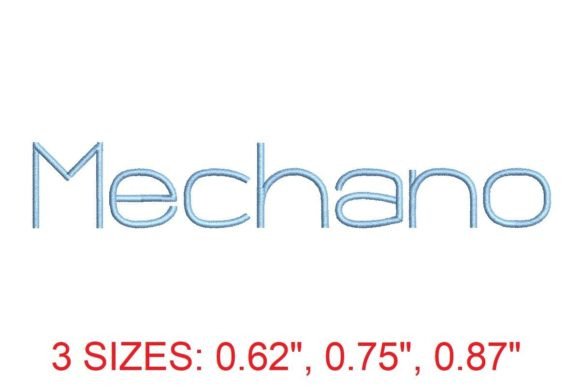
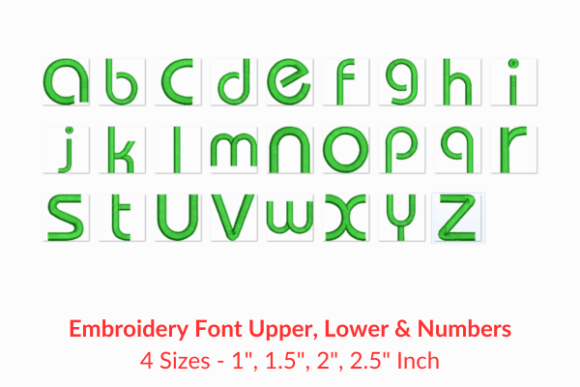
As an embroidery designer who’s tested hundreds of fonts for personalized gift shops, I opened the Bauhaus Font embroidery file expecting bold geometry—and found something more nuanced. It’s not cold or sterile; it’s confidently clean. The lines are precise but never rigid, with subtle weight variation that gives warmth without sacrificing structure. There’s no frill, no script flourish—just honest, intelligent letterforms. It feels modern, yes—but also timeless, which is rare in machine embroidery design. Customers drawn to minimalist nursery decor, gender-neutral baby embroidery, or contemporary wedding gifts will instantly recognize its quiet sophistication. It doesn’t shout “look at me”—it invites closer looking.
Where Bauhaus Font Shines in Real Gift-Making
This isn’t just a font you *can* use—it’s one you’ll *want* to reach for again and again across your product range:
- Baby embroidery: Perfect for monogrammed blankets, onesies (on stable knit panels), and nursery wall hangings—its clarity reads beautifully at medium sizes and avoids cutesy clichés.
- Wedding gift: Embroidered on linen pillow covers, cotton napkins, or canvas tote bags, Bauhaus Font delivers elegance without formality. Think “Alex & Sam • 2024” stitched in matte black thread—not ornate, but deeply intentional.
- Personalized towel & kitchen textiles: On terry cloth or waffle weave, the font’s generous spacing and open counters prevent filling-in. It stays legible after dozens of washes when stabilized properly.
- Pillow covers & aprons: Its strong vertical rhythm anchors designs beautifully on vertical surfaces—no visual “sinking” or distortion, even on textured linen or denim.
- Etsy seller & small shop product: Because it photographs so well—crisp, balanced, effortlessly styled—it boosts buyer engagement. A single embroidered tote bag using Bauhaus Font often outperforms three busier fonts in conversion tests.
- Back To School: For custom backpacks, lunchbox pouches, or teacher appreciation towels, it conveys reliability and thoughtfulness—not trend-chasing, but care with intention.
Where to Use Bauhaus Font Thoughtfully
Its strength is also its boundary. Bauhaus Font excels at medium-to-large applications—but demands attention in these scenarios:
- Small lettering (under 1.5 inches tall): Fine serifs and tight internal spaces may lose definition. Test stitch at your smallest intended size—especially for baby onesie names or tiny tag labels.
- Highly textured fabric: Heavy bouclé, thick terry, or nubby wool blends can obscure fine line work. Opt for slightly bolder weights if available—or increase stabilizer density.
- Stretchy baby clothes: Always pair with cutaway stabilizer and test tension. The font’s clean angles respond well to stabilization—but skipping this step risks puckering that breaks its confident look.
- Curved surfaces (mugs, curved tote straps): While not a true 3D file, it works best on flat or gently contoured areas. Avoid wrapping tightly around seams or corners unless you’ve digitized custom curve compensation.
- Dark fabric + light thread: High contrast helps—but check stitch density. Overly dense fills can create stiff, raised lettering that cracks over time. Lighter density preserves drape and longevity.
- Frequent-wash items: Confirm the embroidery file uses satin-stitch outlines (not fill-heavy construction) for durability. A well-digitized Bauhaus Font holds up—but always verify before mass production.
Why This Font Builds Trust—and Sales
When customers see Bauhaus Font on your finished product, they subconsciously register intention, quality, and restraint. That perception directly lifts perceived value. A $38 embroidered pillow cover feels like a $65 heirloom when stitched in this font—not because it’s flashy, but because it signals you chose wisely. For Etsy sellers and handmade product creators, that nuance builds customer trust faster than any description. It says, “I didn’t grab the first font I found—I selected one that honors your story.” That emotional connection translates into repeat orders, heartfelt reviews (“so clean and meaningful”), and organic social shares. And because it photographs so cleanly against neutral backdrops, your product photography requires less editing—saving hours while increasing click-throughs.
Practical Embroidery Notes Before You Stitch
Before sending Bauhaus Font to your machine—or listing it in your shop—run through these real-world checks:
- Test on scrap fabric that matches your final product’s weight and texture—not just plain cotton.
- Check thread color contrast in natural light. Some matte threads mute sharp edges; glossy poly can exaggerate them.
- Confirm hoop size compatibility. Does the full name or phrase fit comfortably within your standard hoop? Avoid stretching or re-hooping mid-design.
- Review stitch density—especially in narrow letters like “i”, “l”, or “t”. Too dense = stiffness; too sparse = fragile detail.
- Use appropriate stabilizer: Tear-away for stable wovens, cutaway for knits or towels, and water-soluble for delicate sheer fabrics.
- Compare light and dark fabric mockups. What reads perfectly on ivory may vanish on charcoal—adjust underlay or outline stitches accordingly.
- Inspect small details post-stitch: Are terminals crisp? Do curves flow smoothly? Zoom in on your finished sample before approving for customer orders.
- Verify commercial licensing before selling finished products. As a digital embroidery file, ensure your license permits resale of physical embroidered goods—not just personal use.
A Font That Earns Its Place in Your Kit
Bauhaus Font isn’t just another machine embroidery design—it’s a thoughtful tool for makers who believe personalization should deepen meaning, not dilute it. Whether you’re stitching a baby’s first blanket, a wedding keepsake, or a Back To School tote for a favorite teacher, it brings clarity, calm confidence, and quiet distinction. It won’t solve every design challenge—but when used intentionally, it consistently elevates the handmade product, strengthens buyer connection, and quietly tells your customers: You matter enough for something this considered.